
Is Gravel Cycling Here to Stay?
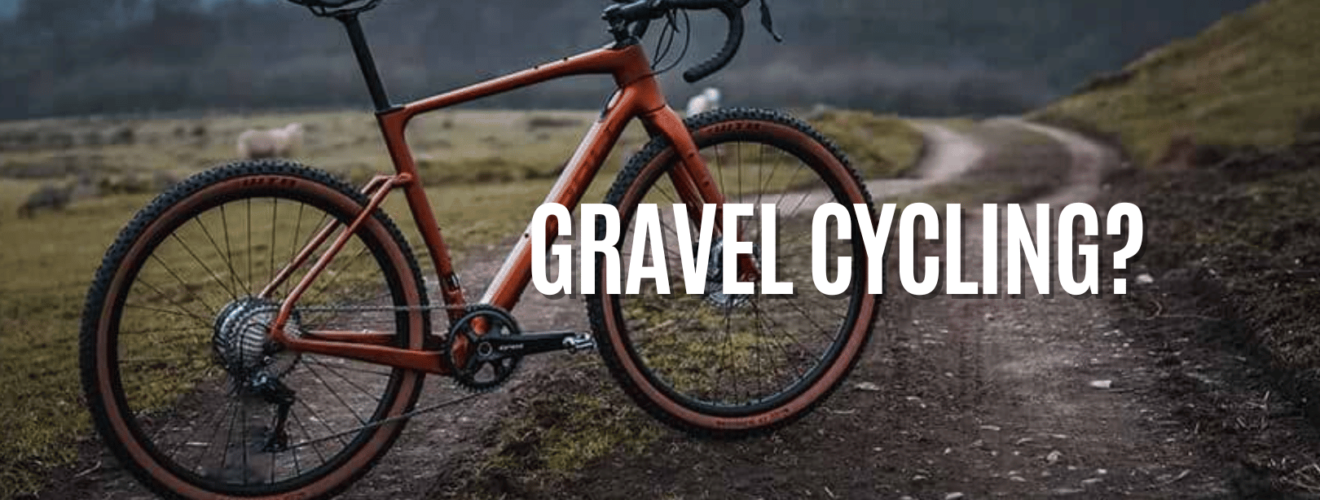
Gravel cycling has exploded in popularity in recent years, attracting a diverse range of riders seeking adventure, challenge, and a sense of community. But is this just a passing trend, or is gravel cycling here to stay? To answer this question, we’ll delve into the current state of gravel cycling, explore the factors driving its growth, and hear from gravel cyclists themselves.
The Rise of Gravel Cycling
Gravel cycling is a relatively new discipline that combines elements of road cycling and mountain biking. It typically takes place on unpaved roads, gravel paths, and even some singletrack trails. Gravel bikes are designed to be versatile, with features like wider tires, disc brakes, and a more relaxed geometry than road bikes, making them well-suited to a variety of terrain, from smooth dirt roads to rougher trails.
Several factors have contributed to the rise of gravel cycling. One is the increasing desire for adventure and exploration among cyclists. Gravel riding allows cyclists to escape traffic, venture off the beaten path, and discover new areas away from crowds. Another factor is the growing popularity of endurance events like the Unbound Gravel race in Emporia, Kansas. These events have helped raise the profile of gravel cycling and attract new riders to the sport.
Furthermore, gravel cycling has had a significant impact on small towns like Emporia, Kansas. The annual Unbound Gravel race, which started with just 34 riders, has grown into a week-long festival attracting 4,000 participants and international attention. This influx of cyclists has brought economic and social benefits to the town, fostering a sense of community pride and boosting local businesses.
Gravel Cycling: Fad or Future?
There’s no doubt that gravel cycling is currently experiencing a surge in popularity. A recent report on cycling trends showed a 55 percent global increase in gravel riding, with a 48 percent increase among U.S. users. This growth is reflected in the increasing number of gravel races, events, and bike sales. The market for carbon gravel bikes alone was valued at $519 million in 2023 and is projected to reach $691.2 million by 2031, growing at a CAGR of 4.2% during the forecast period. But is this just a passing trend, or is gravel cycling here to stay?
Several factors suggest that gravel cycling is more than just a fad. First, it meets a real need among cyclists. Many riders are looking for a way to escape traffic and explore new areas, and gravel bikes provide the perfect tool for this. Second, the gravel cycling community is known for being inclusive and welcoming. This is in contrast to the sometimes-competitive and elitist culture of road cycling, which can be off-putting to some riders. Third, gravel cycling is simply fun. It’s a great way to get exercise, enjoy the outdoors, and challenge yourself on a variety of terrain.
Moreover, gravel cycling seems to be bridging the gap between road cycling and mountain biking, attracting riders from both disciplines. Road cyclists appreciate the ability to explore unpaved roads and experience new adventures, while mountain bikers enjoy the speed and efficiency of gravel bikes on less technical terrain. This versatility is potentially creating a new segment in the cycling market, attracting a broader range of riders and driving innovation in bike design and technology.
Another crucial factor contributing to gravel cycling’s popularity is the safety aspect. With less traffic and interaction with vehicles, gravel roads offer a safer environment for cycling compared to busy roads. This is particularly significant considering the increasing concerns about road safety for cyclists, making gravel cycling an attractive alternative for those seeking a more secure and enjoyable riding experience.
In addition to its appeal to everyday riders, gravel cycling is also becoming increasingly professionalized. With the rise of high-profile events and increasing prize purses, there’s been a surge in the number of professional gravel cyclists. This professionalization further legitimizes the sport and contributes to its growing popularity.
New Gravel Cycling Events and Races
The growth of gravel cycling is also evident in the increasing number of gravel events and races being held around the world. These events range from small, local races to large, international competitions like the UCI Gravel World Series. Some of the new and notable gravel events include:
| Event Name | Location | Date | Series (if applicable) | Key Features |
|---|---|---|---|---|
| Sea Otter Classic Gravel | Monterey, California | April 11, 2025 | Life Time Grand Prix (LTGP) | Kickoff event for the 2025 Life Time Grand Prix series |
| Flint Hills Gravel | Americus, Kansas | April 12, 2025 | Four cycling routes and three running routes | |
| Monaco Gravel Race | Peille – Grimaldi de Monaco | April 20, 2025 | UCI GWS | Ascend the Col de Braus |
| Highlands Gravel Classic | Goshen, Arkansas | April 26, 2025 | UCI GWS | UCI Gravel World Series qualifier |
| USA Cycling Junior Gravel National Series | Various | 2025 | Dedicated development pathway for young gravel racers (ages 15-18) |
Export to Sheets
These events provide opportunities for gravel cyclists of all levels to compete, challenge themselves, and connect with other riders.
In addition to these larger events, local gravel races are also experiencing significant growth. Races like Heywood, Hungry Bear, and the Coon Fork 40 have seen a considerable year-over-year increase in participation. This growth at the local level further demonstrates the widespread appeal and increasing popularity of gravel cycling.
New Gravel Cycling Equipment and Technology
The growing popularity of gravel cycling has also led to the development of new equipment and technology specifically designed for gravel riding. This includes:
Key Features of Gravel Bikes
- Wider tires: Gravel bikes are now being designed to accommodate even wider tires, with some models able to fit tires up to 52mm wide. This provides increased comfort and traction on rough terrain.
- Disc brakes: Disc brakes offer superior stopping power and control, especially in wet or muddy conditions, making them essential for gravel riding.
- Relaxed geometry: Compared to road bikes, gravel bikes have a more relaxed geometry with a longer wheelbase and slacker head tube angle. This provides greater stability and comfort on rough terrain.
Cutting-Edge Innovations
- Gravel-specific groupsets: SRAM has released a new Red XPLR groupset designed specifically for gravel riding. This 1x groupset features a 13th sprocket to provide a wider gear range for varied terrain.
- Wider rims: Zipp has released new wheels with a wider internal rim to support larger gravel tires, enhancing both comfort and aerodynamics.
- Suspension forks: Some gravel bikes are now being equipped with suspension forks to improve comfort and control on rough terrain.
- Integrated cockpits: Gravel bikes are starting to feature integrated cockpits with internal cable routing for improved aerodynamics and a cleaner look.
- Adaptive tire pressure systems: Graa has developed an adaptable tire pressure system that allows riders to adjust tire pressure on the fly, optimizing performance for different terrains.
These innovations are making gravel bikes more capable and versatile than ever before.
When choosing gear for gravel riding, cyclists must consider factors such as tire width, gear ratios, and bike frame material to ensure their setup is suited to the demands of gravel riding. For example, wider tires with a knobby tread pattern provide better grip on loose gravel, while lower gear ratios make it easier to climb hills. The choice of frame material also affects the bike’s weight, stiffness, and comfort.
What the Riders Are Saying
To get a better sense of what’s driving the popularity of gravel cycling, we can look at what riders themselves are saying about the sport. In online forums and discussions, gravel cyclists often cite the following reasons for their love of gravel riding:
- Freedom and adventure: Gravel riding allows cyclists to explore new areas and get away from traffic and crowds.
- Challenge and variety: Gravel riding can be challenging, but it’s also rewarding. The varied terrain keeps things interesting and provides a good workout.
- Community and camaraderie: The gravel cycling community is known for being inclusive and welcoming.
- Safety: Gravel roads are often less trafficked than paved roads, which can make them safer for cycling.
- Mental and physical health benefits: Gravel cycling is a great way to get exercise and enjoy the outdoors, which can have positive effects on both mental and physical health.
Here are some specific comments from gravel cyclists:
- “Gravel is as much about enjoying the terrain as it is about avoiding being hit.”
- “I also find gravel rides much more meditative, the crunch of the gravel, no traffic signals, and minimal stops. I get to really enjoy the ride instead of constantly worrying about traffic.”
- “Gravel is an escape from reality.”
- “The attitudes of people who love to ride gravel for the pure joy of it…nothing has changed at all.”
These comments reflect the sense of freedom, adventure, and community that many riders find in gravel cycling.
Comparing Gravel Cycling to Other Disciplines
It’s interesting to compare the growth of gravel cycling to other cycling disciplines. While road cycling remains popular, it has seen a decline in participation in recent years. This may be due to factors such as safety concerns, traffic congestion, and the increasing popularity of alternative activities like gravel cycling and mountain biking. Mountain biking has also seen steady growth in recent years, but it’s still a niche sport compared to road cycling and gravel cycling.
Gravel cycling seems to be occupying a sweet spot between road cycling and mountain biking. It offers the adventure and exploration of mountain biking with the speed and efficiency of road cycling. This versatility is likely a key factor in its growing popularity.
Research Steps Conducted
To gather information for this article, the following research steps were conducted:
- Find articles and discussions on the future of gravel cycling.
- Find statistics on the growth of gravel cycling in recent years.
- Find information on new gravel cycling events and races.
- Find reviews and comments from gravel cyclists about their experiences.
- Find information on new gravel cycling equipment and technology.
- Compare the growth of gravel cycling to other cycling disciplines.
These steps involved analyzing various online resources, including cycling blogs, forums, industry reports, and event websites.
Conclusion
Based on the available evidence, it seems clear that gravel cycling is more than just a fad. It’s a rapidly growing discipline that is attracting a diverse range of riders. The combination of adventure, challenge, community, and technology is likely to ensure that gravel cycling continues to thrive in the years to come. As one Reddit user put it, “Gravel biking is a good thing.”
The growth of gravel cycling is driven by several factors, including the desire for adventure and exploration, the increasing popularity of endurance events, the inclusivity of the gravel cycling community, and the development of new technology and equipment. Gravel cycling offers a unique blend of road cycling and mountain biking, appealing to riders from both disciplines and potentially creating a new segment in the cycling market.
Furthermore, the rise of gravel cycling could have a significant impact on the cycling industry and the broader community. The increasing demand for gravel bikes and equipment is driving innovation and creating new economic opportunities. The growth of gravel events is bringing tourism and revenue to small towns, and the development of new trails and infrastructure is benefiting not just gravel cyclists but also other users such as hikers and trail runners.
As gravel cycling continues to evolve, we can expect to see even more innovation in bike design, technology, and events. The future of gravel cycling looks bright, and it’s likely to become an even more established and influential part of the cycling landscape in the years to come.








I’m gravel rider since 2018. I bought gravel instead an very old road bike. This one is somwhere between nowadays gravels and roadbikes, with some personalised changes. I choose 31 mm tyres. The second one I bought in 2020 had lighter front gears (30/46), I had to exchange them for 34/50 due Rouvy flat races, and also I also choosed wheels for tyres from 30 mm. I’m fully satisfied with them. Gravel is fast enough on paved roads (for me) and I’m not affraid to ride on gravel or forest roads. Especially for riders, which doesn’t have climber body I can only reccomend it.
I can only agrre with Kyle’s words.